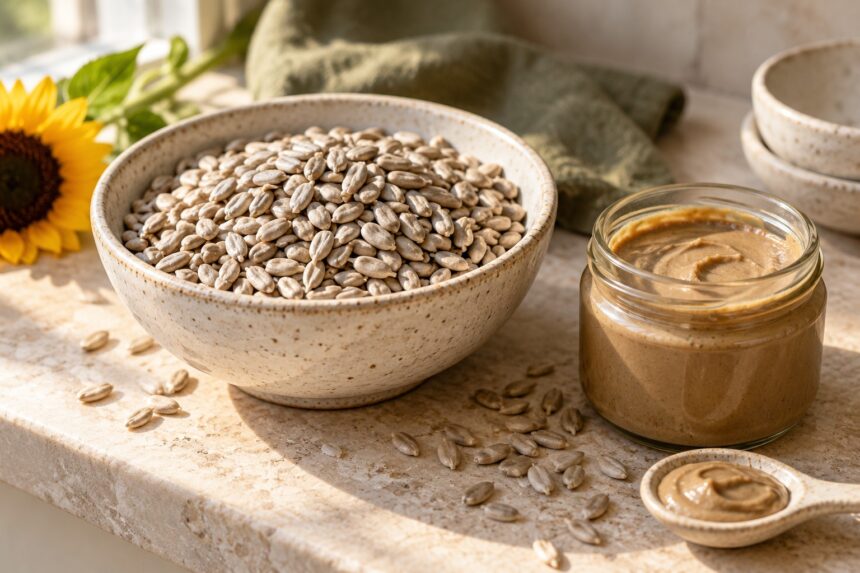
Sunflower seeds are easy to overlook beside more fashionable nuts and seeds. They are often affordable, widely available, and useful in both sweet and savoury food. Shelled kernels can add crunch to breakfast or a salad, while sunflower seed butter offers a smooth texture for spreads and sauces. Their everyday usefulness is a stronger reason to buy them than a claim that they detoxify the body or transform health overnight.
The first choice is practical: do you want seeds in shells for leisurely snacking, or edible kernels for cooking? A bag’s weight can be misleading when much of it is shell. Flavoured coatings, added salt, and sweeteners also change the product. Start with the intended use, then compare the food you will actually eat rather than the photograph on the front of the packet.
Vitamin E is a clear nutritional strength
Sunflower seeds are a food source of vitamin E. The NIH vitamin E fact sheet lists sunflower seeds among useful sources and explains vitamin E’s role in protecting cells as part of the body’s normal antioxidant systems. That is a legitimate nutritional contribution. It does not establish that eating more seeds reverses ageing or prevents a specific disease.
The distinction between foods and high-dose supplements is important. Trials of vitamin E supplements have not consistently delivered the benefits once expected, and high doses can carry risks. A handful of seeds is not the same exposure as a capsule. For ordinary eating, it makes more sense to include a range of nutrient-containing foods than to treat the largest possible vitamin dose as the goal.
Think about the snack you are replacing
Sunflower kernels provide fat, some protein, and fibre, which makes them a more substantial food than their size suggests. If you usually want something crunchy between meals, they can be one option. Their usefulness depends on the situation: a small snack before dinner is different from food intended to sustain you through a long afternoon at work.
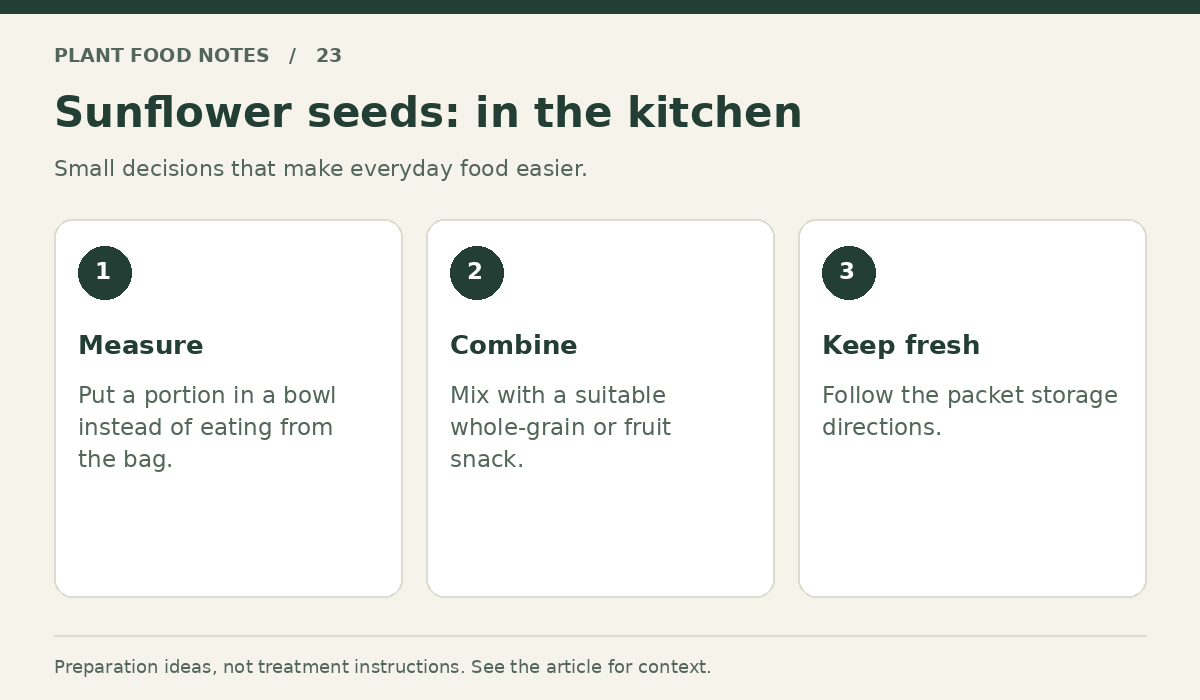
Try combining a suitable amount with fruit rather than assuming seeds alone must meet every need. Alternatively, add them to a meal that would otherwise lack texture. Pour the portion into a bowl instead of eating directly from a large bag if that helps you notice the amount. This is a practical habit, not a requirement to count every kernel or assign moral value to snacking.
Salt and shells deserve attention
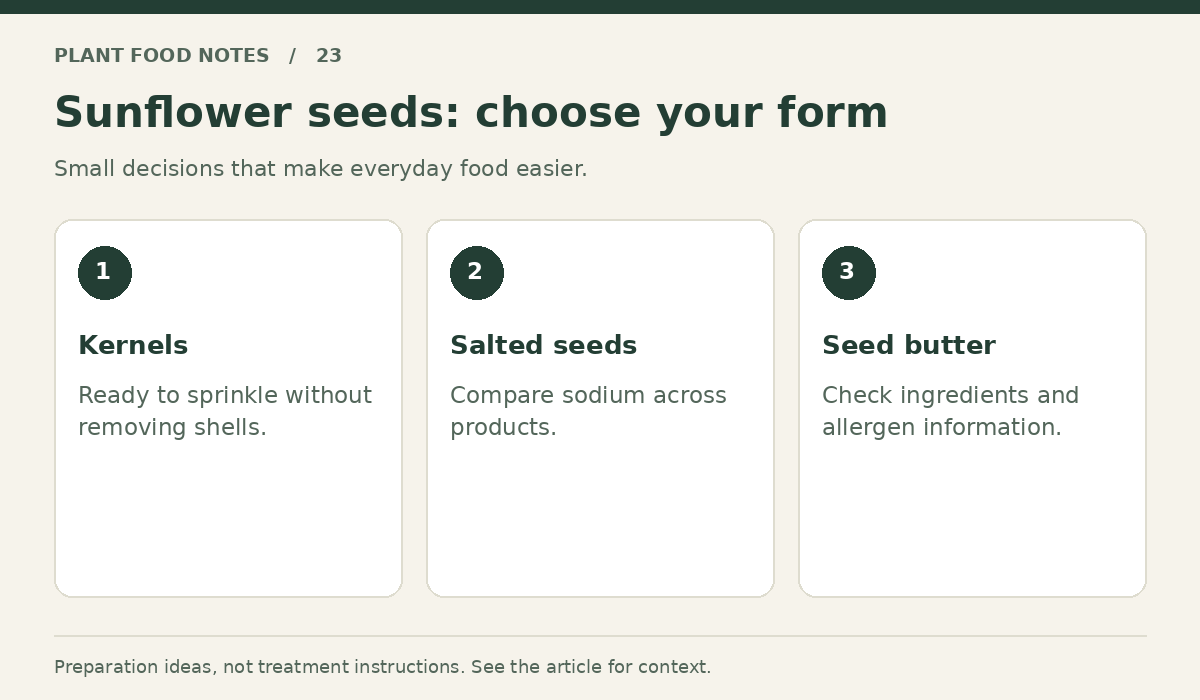
Heavily salted seeds can make sodium intake less obvious, particularly when you repeatedly put the shells in your mouth while eating the kernels. Compare labels and choose a version that suits any advice you have received about sodium. Plain or lightly seasoned kernels are more flexible because they can be added to food without bringing a strong salty flavour to every dish.
Do not swallow tough shells as a way of getting extra fibre. Buy shelled seeds when you want a straightforward ingredient. For children or anyone with chewing or swallowing difficulties, texture and choking risk need consideration; a suitable smooth preparation may be more appropriate. A food’s nutrient content does not remove the need to serve it in a form the person can manage safely.
Sunflower butter is useful, but check the label
Sunflower seed butter can work on toast, in a dressing, or mixed into a sauce. Some products are simply ground seeds, while others contain added sweeteners, oils, or salt. None of those details can be inferred from the word sunflower alone. Compare ingredients and choose according to the job the spread will do, including whether you want a sweet or savoury result.
It may be considered when avoiding certain nuts, but it is not automatically allergy-safe for every person. Sunflower allergy is possible, and manufacturing cross-contact can matter. The FDA guide to food allergy labels explains why label reading and the individual’s allergy plan take priority. Never substitute a seed product for an allergic guest without checking that it is suitable.
Build a simple savoury topping
Warm a small quantity of plain kernels gently in a pan, stirring and watching closely. Let them cool, then combine with chopped herbs and a seasoning you like. Scatter over a bowl of soup, cooked greens, or roasted squash just before serving. The contrast works especially well when the main food is soft and the seeds provide a crisp finish.
For a different use, add kernels to a cabbage slaw or a grain salad. Keep the amount proportionate to the meal so the topping adds interest without dominating every mouthful. If using a strongly flavoured dressing, taste first before adding more salt. Good seasoning is usually about balance, and seeds are one way to create that balance without requiring a complicated recipe.
A breakfast option beyond granola
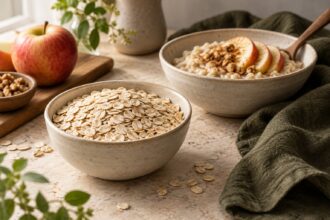
Sunflower kernels can be stirred into porridge near serving time or added to plain yogurt with fruit. They do not have to be baked into a sweet granola cluster to fit breakfast. If you buy a packaged breakfast mixture, inspect the whole ingredient list. A few seeds in a heavily sweetened cereal do not make the entire product nutritionally equivalent to plain seeds.
You can also spread sunflower butter thinly on toast and add sliced fruit if that combination appeals. The amount of bread, spread, and accompanying food should match your appetite and the gap until the next meal. Avoid copying a tiny social-media serving that leaves you hungry, or assuming that a very large portion becomes necessary because the ingredient is described as healthy.
Keep freshness part of the routine
The fats in seeds mean storage conditions affect quality. Follow the packet’s instructions, close the container well, and keep it away from excessive heat and moisture. Buy a smaller pack if you use only a little each week. If the seeds smell or taste rancid, discard them rather than trying to rescue them with roasting or a stronger seasoning.
Sunflower seeds offer a useful vitamin E source and several convenient ways to add texture and substance to food. Their strengths are ordinary but meaningful: affordability, flexibility, and a nutritional contribution that fits a varied diet. Choose the right form, keep portions connected to the meal, and let their practical value matter more than claims about spectacular results from a single snack.
General nutrition information; not personalised medical advice. Sources checked on 16 September 2026.